
Introduction: Technology as an Invisible Companion
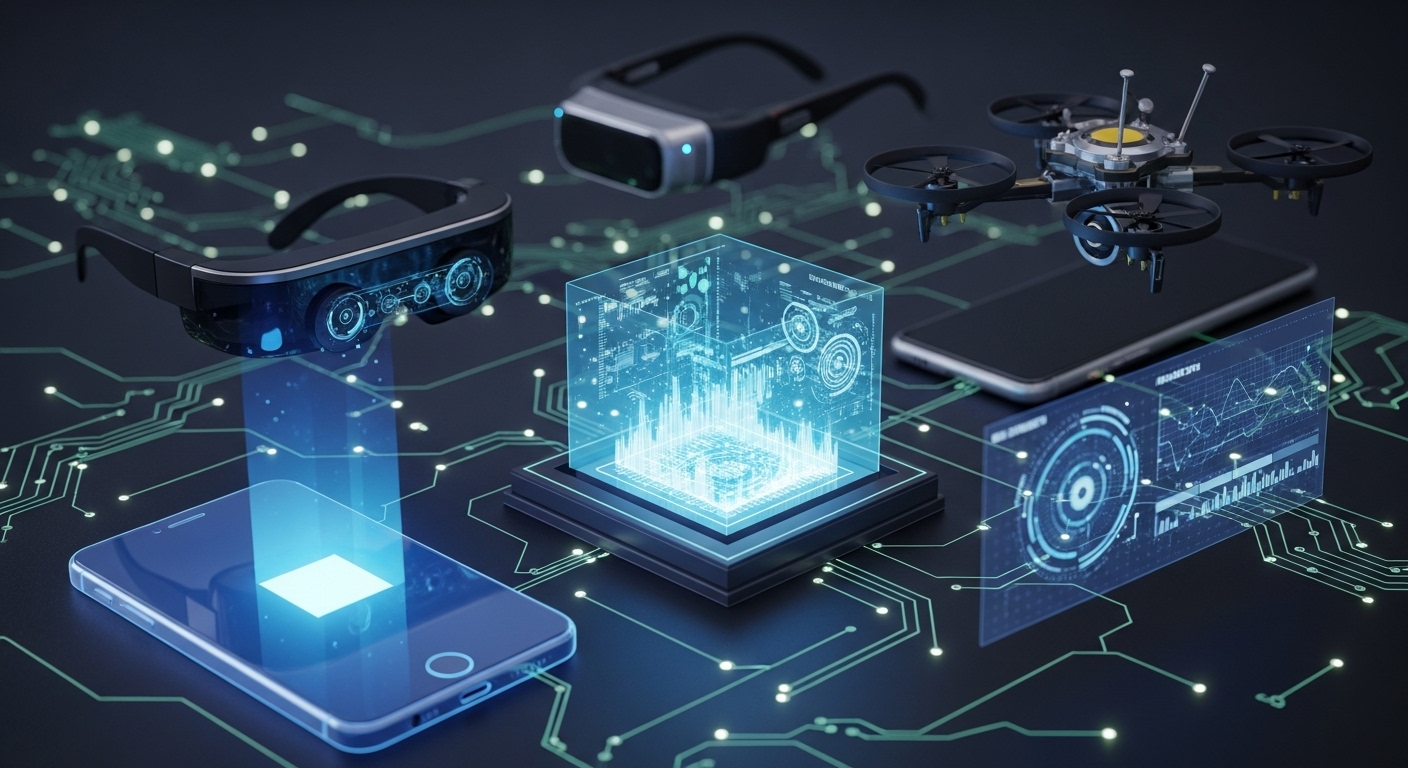
Technology is no longer a distant concept reserved for engineers, scientists, or futuristic movies. It has become an invisible companion that shapes how we think, work, communicate, and even rest. From the moment we wake up to the glow of a smartphone screen to the algorithms that decide what we read, watch, or buy, technology operates silently in the background of everyday life. What makes this era unique is not just the speed of innovation, but how deeply embedded technology has become in human behavior. It is not merely a tool anymore; it is an environment in which modern society exists.
This blog explores how technology is reshaping the world beyond devices and apps, influencing culture, economy, education, creativity, and human identity itself. Rather than focusing on one invention, it looks at the broader transformation unfolding around us.
The Evolution from Tools to Ecosystems
In the past, technology was seen as a collection of tools designed to solve specific problems. A computer was for calculations, a phone was for calling, and software was for specialized tasks. Today, technology has evolved into interconnected ecosystems. Devices, platforms, and data systems talk to each other continuously, creating seamless experiences that feel almost natural.
Smart homes are a clear example. Lighting, temperature, security, and entertainment systems operate together, responding to user habits rather than direct commands. This shift from command-based tools to adaptive systems represents a major change in how humans interact with machines. Technology is learning from us, and in return, it is shaping our routines in subtle but powerful ways.
Artificial Intelligence and the New Definition of Intelligence
Artificial intelligence has become one of the most transformative forces in modern technology. Unlike traditional software that follows fixed rules, AI systems learn patterns, adapt to new data, and improve over time. This has led to a rethinking of what intelligence actually means.
AI is no longer limited to laboratories or research papers. It writes text, analyzes images, predicts trends, and assists in decision-making across industries. In healthcare, AI helps identify diseases earlier. In finance, it detects fraud and manages risk. In creative fields, it supports design, music, and storytelling. Rather than replacing human intelligence, AI often acts as an amplifier, enhancing human capabilities while also challenging us to redefine creativity, judgment, and responsibility.
Technology and the Changing Nature of Work
The workplace has undergone a dramatic transformation due to technology. Remote work, digital collaboration tools, and automation have redefined traditional office structures. Work is no longer tied to a specific location or even a fixed schedule. This flexibility has opened new opportunities for global collaboration, allowing talent to thrive regardless of geography.
At the same time, automation has raised important questions about job security and skill relevance. Routine tasks are increasingly handled by machines, pushing humans toward roles that require creativity, critical thinking, and emotional intelligence. The future of work is less about repetition and more about adaptability. Lifelong learning has become essential, as technology continuously reshapes the skills needed to stay relevant.
Education in the Age of Digital Learning
Education has been profoundly influenced by technology, moving beyond classrooms and textbooks into digital spaces. Online learning platforms, virtual classrooms, and interactive content have made education more accessible than ever before. Students can learn at their own pace, revisit complex topics, and explore subjects that were once out of reach.
However, this shift also changes the role of educators. Teachers are no longer just sources of information but guides who help students navigate knowledge critically. Technology provides information instantly, but understanding, context, and ethical reasoning still require human guidance. The challenge for modern education is to balance technological efficiency with the development of curiosity, empathy, and independent thought.
The Digital Economy and New Forms of Value
Technology has given rise to a digital economy where data, attention, and creativity hold immense value. Businesses no longer rely solely on physical products; digital services, platforms, and experiences dominate markets. Startups can scale globally with minimal physical infrastructure, while individuals can build careers through digital content, freelancing, and online entrepreneurship.
This shift has also changed how value is created and measured. User experience, trust, and community engagement have become critical assets. At the same time, concerns about data privacy, digital monopolies, and fair competition highlight the need for responsible innovation. The digital economy offers enormous potential, but it also demands thoughtful regulation and ethical awareness.
Technology and Human Connection
One of the most debated aspects of technology is its impact on human connection. Social platforms allow people to stay connected across continents, share experiences instantly, and find communities based on shared interests. For many, technology has reduced isolation and created new forms of belonging.
Yet, there is also a growing awareness of digital fatigue and superficial interaction. Constant notifications, endless scrolling, and algorithm-driven content can overwhelm attention and distort reality. The challenge is not whether technology connects or disconnects us, but how we choose to use it. Meaningful connection still depends on intention, empathy, and balance, qualities that technology can support but not replace.
Creativity in a Technological World
Technology has expanded the boundaries of creativity. Artists, writers, musicians, and designers now have access to tools that were unimaginable just a few decades ago. Digital platforms allow creators to experiment, collaborate, and reach global audiences without traditional gatekeepers.
At the same time, the rise of automated creative tools raises questions about originality and authorship. When machines can generate art, music, or text, what defines human creativity? The answer lies not in competition with machines but in collaboration. Technology provides new mediums and possibilities, while human creativity supplies meaning, emotion, and perspective.
Ethical Challenges and Responsible Innovation
As technology becomes more powerful, ethical considerations become more urgent. Issues such as data privacy, surveillance, algorithmic bias, and environmental impact cannot be ignored. Every technological advancement carries consequences, both intended and unintended.
Responsible innovation requires transparency, inclusivity, and accountability. Developers, businesses, and policymakers must consider not only what technology can do, but what it should do. Ethical technology is not about slowing progress, but about guiding it in ways that respect human dignity and social well-being.
The Future: Coexisting with Intelligent Systems
Looking ahead, the relationship between humans and technology will continue to evolve. Emerging technologies such as advanced AI, immersive digital environments, and intelligent automation will further blur the lines between physical and digital reality. The future will not be defined by technology alone, but by how humans choose to integrate it into their lives.
The most successful societies will be those that view technology as a partner rather than a master. This means fostering digital literacy, encouraging critical thinking, and prioritizing human values alongside innovation. Technology should enhance human potential, not diminish it.
Conclusion: Shaping Technology with Human Purpose
Technology is not an unstoppable force moving in a fixed direction. It is shaped by human choices, priorities, and values. While it has the power to transform industries, cultures, and individual lives, its true impact depends on how thoughtfully it is designed and used.
As we move deeper into a technology-driven world, the key question is not how advanced our tools become, but how wisely we use them. By keeping human purpose at the center of innovation, technology can remain a force for progress, creativity, and connection rather than distraction or division. The future of technology is, ultimately, a reflection of the future we choose to build for ourselves.