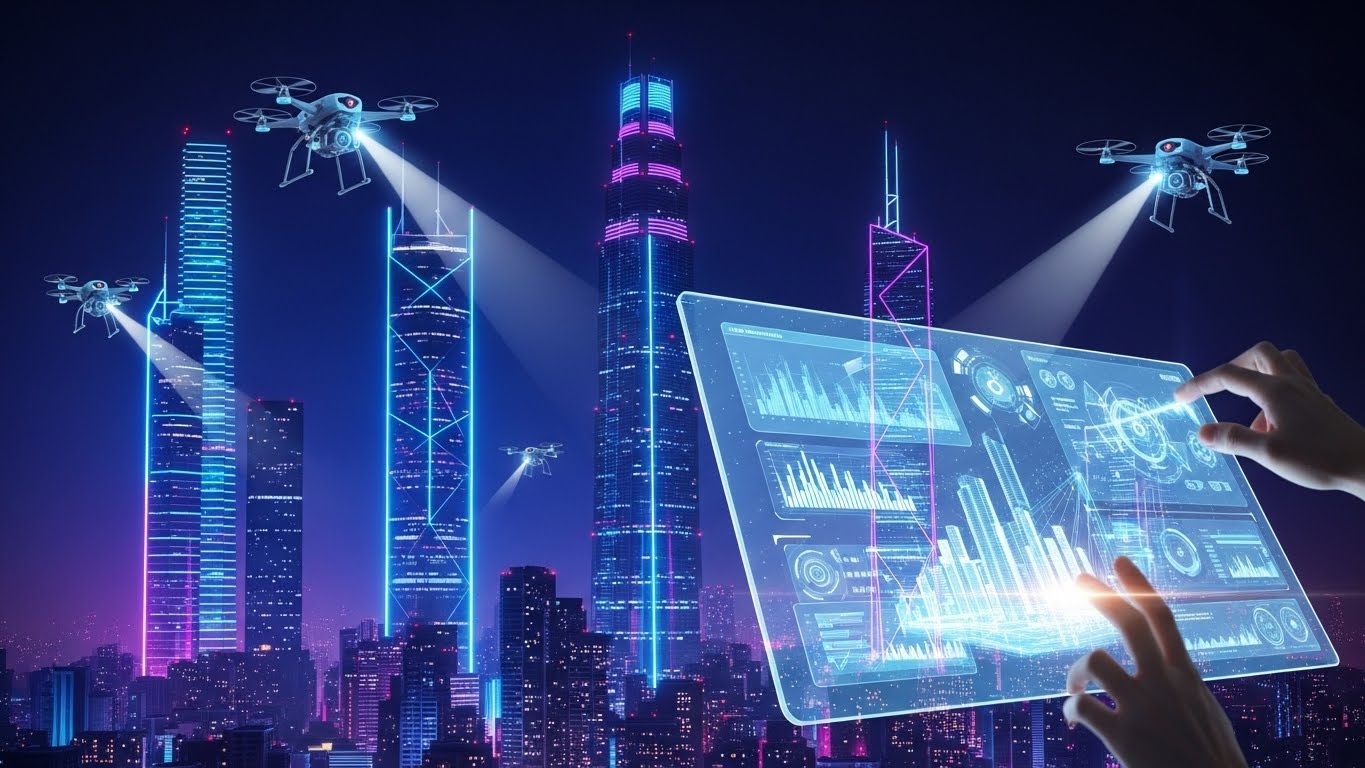

In every corner of the world, technology is rewriting the rules of how we interact, work, and even think. The pace of innovation is mind-blowing, and the ripple effects of new breakthroughs are reshaping everything from industries to our daily lives. What used to be the stuff of science fiction is now part of our everyday reality. This technological transformation offers both opportunities and challenges, forcing us to rethink the way we live and the way we work. In this blog post, we’ll explore how technology is not just changing our world but reshaping it in ways that were once unimaginable.
Artificial Intelligence: The Brain Behind the Machines
Artificial Intelligence (AI) is one of the most talked-about and impactful technologies of our time. It’s not just a trend—it’s a revolutionary shift in the way machines and humans interact. AI has already found its way into our lives through tools like voice assistants, recommendation systems, and customer service chatbots. But these are just the tip of the iceberg.
AI is increasingly being used in sectors such as healthcare, finance, and even education. In healthcare, AI is helping doctors diagnose diseases with unprecedented accuracy, using algorithms that can analyze medical data faster than human doctors. In finance, AI-driven algorithms are used for everything from stock market prediction to fraud detection, and in education, AI can tailor learning experiences to the needs of individual students.
However, with great power comes great responsibility. As AI systems become more integrated into critical decision-making processes, ethical concerns around privacy, bias, and accountability are becoming central to discussions about AI’s future. Balancing its potential with responsible usage will be a defining challenge of the next decade.
Blockchain: Beyond Cryptocurrencies
When most people think of blockchain, they immediately think of Bitcoin or other cryptocurrencies. But blockchain is much more than just a digital currency. At its core, blockchain is a decentralized, transparent ledger that can record transactions in a secure, immutable way. This technology has the potential to transform industries far beyond finance.
In supply chain management, blockchain can offer real-time tracking of products from the manufacturer to the consumer, improving transparency and reducing fraud. In the healthcare sector, it could allow for secure sharing of patient data, ensuring privacy while also improving access to critical health information. For voting systems, blockchain offers a way to securely cast and record votes, making elections more transparent and less prone to fraud.
As businesses and governments explore blockchain’s capabilities, the possibilities seem endless. While the technology is still in the early stages of adoption, its ability to revolutionize processes by making them more secure, efficient, and transparent is undeniable.
Quantum Computing: A Leap into the Unimaginable
Quantum computing is one of the most exciting frontiers in technology today. Unlike classical computers, which process data using bits (0s and 1s), quantum computers use qubits, which can exist in multiple states simultaneously. This ability to perform many calculations at once means that quantum computers have the potential to solve problems that classical computers could never even attempt.
From cracking complex encryption algorithms to simulating the behavior of molecules in drug discovery, quantum computing could revolutionize many fields. For example, in drug development, quantum computing could help researchers better understand complex molecular structures, potentially leading to breakthroughs in treatments for diseases like cancer or Alzheimer’s.
However, the technology is still in its infancy. Quantum computers are extremely difficult to build and require specialized environments, such as extremely cold temperatures, to function. But with significant investments being made in research, quantum computing is a field to watch in the coming years, with the potential to completely change industries that rely on complex computation.
The Internet of Things: Connecting the World
The Internet of Things (IoT) refers to the vast network of connected devices that collect and share data. These devices, ranging from smart thermostats to wearable health trackers, are becoming more common in our daily lives, offering us greater control, efficiency, and convenience.
In smart homes, IoT devices can monitor and adjust everything from the temperature to the security system, making everyday living more comfortable and energy-efficient. In healthcare, IoT devices can continuously monitor a patient’s health metrics, sending real-time data to doctors, which could lead to faster responses in emergencies. On the industrial front, IoT is transforming everything from manufacturing processes to logistics, improving operational efficiency and reducing waste.
However, as the number of connected devices grows, so do concerns over privacy and security. Each IoT device is a potential point of vulnerability, and securing these devices will be a critical challenge as we continue to integrate IoT into every aspect of life.
Augmented Reality and Virtual Reality: A New Dimension of Experience
Augmented Reality (AR) and Virtual Reality (VR) are changing how we experience the world. While VR immerses users in entirely new environments, AR overlays digital information on top of the physical world, enhancing our interaction with it.
In gaming and entertainment, VR has created entirely new forms of immersive experiences, allowing users to explore digital worlds and interact with them in ways that were once unimaginable. In education, VR can simulate environments for students to explore, offering interactive learning experiences that traditional methods simply can’t match.
AR, on the other hand, is enhancing our day-to-day lives in practical ways. For example, AR apps can allow users to try on clothes virtually or visualize how furniture will look in their homes before making a purchase. In industries like healthcare, AR is being used for surgical training, offering doctors a chance to practice complex procedures in a simulated environment.
As the technology improves, both AR and VR are poised to become integral to industries like retail, education, and healthcare, providing more immersive and interactive experiences.
Autonomous Systems: Machines that Think for Themselves
The rise of autonomous systems is perhaps one of the most fascinating aspects of modern technology. From self-driving cars to drones, autonomous systems are designed to perform tasks with little or no human intervention.
In transportation, autonomous vehicles promise to reduce accidents caused by human error, alleviate traffic congestion, and make transportation more accessible for people who are unable to drive. In logistics, autonomous drones and trucks are already being used to speed up delivery times, reducing costs and improving efficiency.
However, the widespread adoption of autonomous systems raises questions about job displacement, regulatory challenges, and safety. For example, self-driving vehicles could disrupt entire industries, such as trucking and public transport, leading to job losses. Additionally, the technology itself must be robust and reliable, as any failure could have serious consequences.
Conclusion: Embracing the Future, Responsibly
The digital age we are living in is nothing short of transformative. Technologies like AI, blockchain, quantum computing, IoT, AR, VR, and autonomous systems are not just changing the way we do things—they’re changing the very fabric of society. With these advancements come great opportunities, but they also come with significant challenges, particularly in terms of security, ethics, and job displacement.
As we move forward into this new era, it is important for governments, businesses, and individuals to approach technology with both excitement and caution. The potential for positive change is vast, but we must ensure that these technologies are developed and implemented in ways that benefit everyone, not just the few.
In the end, the key to thriving in a tech-driven world is not just about adopting new innovations but about understanding and navigating the profound changes they bring. The future is bright, but only if we build it responsibly.