
Introduction to Modern Technology
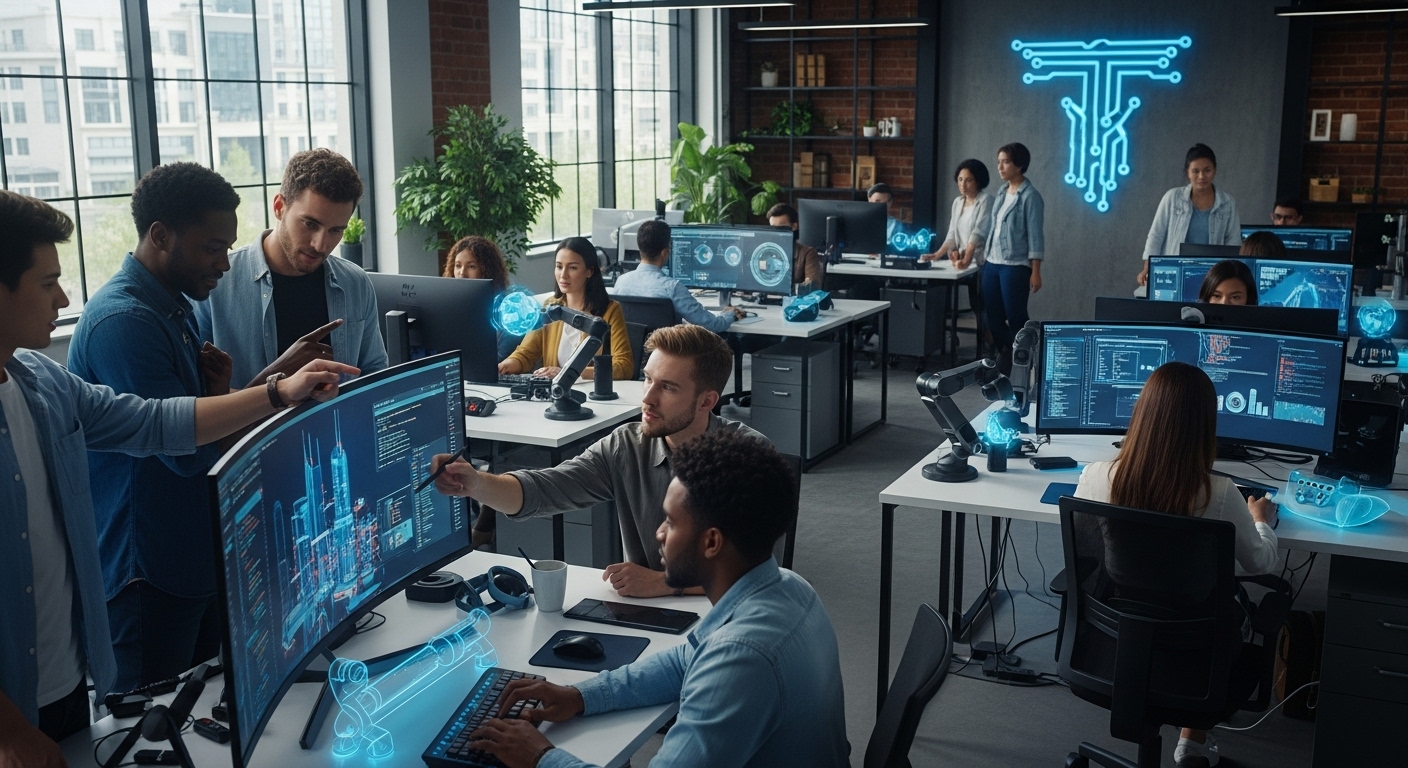
Technology has become the backbone of modern civilization. It is no longer limited to computers or mobile phones. Instead, it defines how we live, work, learn, communicate, and even relax. From artificial intelligence to renewable energy systems, technology has transformed every industry in unimaginable ways. To understand the impact of technology, we need to explore how it has evolved, where it stands today, and where it is heading in the future.
The Digital Revolution
The digital revolution began when electronic devices replaced mechanical systems. The invention of computers was a defining moment for humankind. Over time, computers became smaller, faster, and more powerful. This shift from analog to digital technologies changed industries like healthcare, education, transportation, and business. The development of the internet made it possible to connect people across the globe, turning the world into a digital village.
Artificial Intelligence and Machine Learning
Artificial intelligence is one of the most significant advancements in technology. AI refers to machines that can think, learn, and make decisions. Machine learning, a branch of AI, allows computers to learn from data without being explicitly programmed. These technologies are used in voice assistants, face recognition systems, search engines, and medical diagnosis tools. AI can analyze large amounts of data faster than humans, making it useful in fields like finance, marketing, and scientific research.
The Rise of Robotics
Robots are no longer just machines performing repetitive tasks. Modern robotics combines AI, sensors, and automation to create intelligent machines. Robots are used in factories to build cars, smartphones, and appliances with precision. In medicine, robotic arms assist doctors in performing complex surgeries. Service robots are being developed to help in homes, offices, and public spaces. The goal of robotics is to create machines that can work safely alongside humans and enhance productivity.
Internet of Things and Smart Devices
The internet of things refers to a network of devices connected to the internet. These devices can communicate with each other and with humans. Smart homes use IoT to control lights, security systems, and appliances. Wearable devices like smartwatches track health data such as heart rate and steps taken. In agriculture, IoT helps farmers monitor soil, weather, and crop health. IoT is making daily life more convenient and industries more efficient.
Cloud Computing and Data Storage
Cloud computing allows people and organizations to store and access data on remote servers instead of local devices. It is flexible, scalable, and cost-effective. Companies no longer need to build large data centers. Instead, they can use cloud services to store information, run applications, and process data. Cloud computing supports remote work, online learning, and global collaboration. It also enables technologies such as AI and machine learning by providing powerful computing resources.
Cybersecurity Challenges and Solutions
As technology advances, cyber threats also increase. Cybersecurity is the practice of protecting digital systems, networks, and data from attacks. Hackers can steal personal information, disrupt services, or take control of systems. To prevent this, organizations use firewalls, encryption, and authentication methods. Regular updates and employee training are also critical. Cybersecurity professionals work around the clock to detect and stop potential threats. As more devices connect to the internet, cybersecurity becomes even more important.
Blockchain and Digital Currencies
Blockchain is a digital ledger that records transactions securely and transparently. It is the technology behind digital currencies. Each transaction is stored in a block, and each block is linked to the previous one, forming a chain. Blockchain is difficult to hack because it is decentralized. It is being used not only in finance but also in supply chains, healthcare, and government systems. The concept of digital currency has changed the way people think about money, banking, and global trade.
5G Technology and Communication
Communication networks are essential for modern life. The fifth generation of mobile networks, known as 5G, promises faster internet speeds, lower latency, and improved connectivity. 5G enables high-quality video streaming, online gaming, and real-time communication. It supports technologies such as autonomous vehicles, smart cities, and remote surgeries. With 5G, devices can connect to the internet more efficiently, supporting billions of smart devices worldwide.
Impact of Technology on Education
Technology has revolutionized education. Traditional classrooms are being replaced by digital learning platforms. Students can access study materials online, attend virtual classes, and interact with teachers from anywhere in the world. Smartboards, tablets, and educational apps make learning more engaging. Artificial intelligence helps personalize learning by analyzing student performance and suggesting improvements. Technology also provides opportunities for people who cannot attend regular schools.
Healthcare and Medical Innovations
Healthcare is one of the most important areas transformed by technology. Medical devices, digital health records, and telemedicine have improved patient care. Doctors can now diagnose diseases using AI and predictive analytics. Wearable health monitors collect data on heart rate, blood pressure, and sleep patterns. Robotic surgery allows for more precise and less invasive procedures. Technology is also being used to develop new medicines and treatments for diseases.
Transportation and Autonomous Vehicles
Transportation has evolved from horse-drawn carriages to electric and autonomous vehicles. Electric cars reduce pollution and dependence on fossil fuels. Autonomous vehicles, or self-driving cars, use sensors, cameras, and AI to navigate roads without human drivers. Drones are used for delivering packages, monitoring traffic, and even in rescue operations. Smart traffic management systems help reduce traffic jams and improve road safety.
Space Technology and Exploration
Space technology has made it possible to explore planets, moons, and galaxies. Satellites play a vital role in communication, weather forecasting, navigation, and military operations. Space agencies are developing advanced rockets and spacecraft to explore Mars and beyond. Private companies are also entering the space industry, aiming to make space travel more affordable. Technology has allowed humans to study space and understand the universe better.
Renewable Energy and Green Technology
The world is facing environmental challenges such as climate change and pollution. Renewable energy technologies like solar panels, wind turbines, and hydropower provide clean and sustainable energy. Green technology focuses on reducing waste, conserving resources, and protecting the environment. Smart grids manage energy distribution efficiently. Electric vehicles and recycling technologies are also part of this movement. Technology plays a crucial role in creating a sustainable future.
Virtual Reality and Augmented Reality
Virtual reality creates a simulated environment that users can interact with. Augmented reality overlays digital elements onto the real world. Both technologies are used in gaming, education, training, and design. VR allows people to experience new worlds, while AR enhances real-life experiences. Architects use VR to visualize buildings before construction. In medicine, VR helps train surgeons by simulating real operations.
The Role of Big Data
Big data refers to extremely large sets of data that are too complex for traditional methods. Companies collect data from social media, websites, and sensors. This data is analyzed to understand customer behavior, improve products, and make decisions. Big data helps in forecasting weather, tracking diseases, and managing traffic. With AI and machine learning, data analysis has become more accurate and faster.
Technology in Entertainment
Entertainment has changed drastically with technology. Streaming platforms allow people to watch movies and shows anytime. Music is available online without physical CDs. Video games have become more realistic with advanced graphics and online multiplayer options. Social media enables people to share content, gain followers, and create digital careers. Virtual events and concerts are becoming popular, bringing entertainment to homes.
Future of Work and Remote Offices
Remote work has become a reality thanks to technology. Video conferencing tools, cloud storage, and online collaboration platforms allow people to work from anywhere. Companies are adopting hybrid models, combining office and remote work. Automation and AI are changing job roles, requiring new skills. While some jobs may disappear, new ones are being created in technology fields. The future workplace will be flexible, digital, and connected.
Ethics and Digital Responsibility
With great technological power comes great responsibility. The use of AI, data collection, and automation raises ethical questions. Privacy, transparency, and fairness are important issues. Companies must handle user data responsibly. Governments are creating laws to regulate technology. People must be aware of the impact of their digital actions. Ethical technology ensures that innovation benefits society without causing harm.
The Future of Technology
The future of technology is filled with endless possibilities. Quantum computing, advanced AI, brain-computer interfaces, and biotechnology will shape the next generation. Smart cities will use technology to manage resources, traffic, and safety. Personalized medicine will treat diseases based on individual genetics. Space tourism may become a reality. However, challenges like cybersecurity, digital inequality, and ethical concerns must be addressed.
Conclusion
Technology has become an inseparable part of human life. It has solved many problems and opened doors to new opportunities. From communication to healthcare, education to entertainment, every aspect of life is touched by technology. As we move forward, it is important to use technology wisely and responsibly. The goal should not only be innovation but also the improvement of human lives and the protection of our planet.