Introduction: Technology as a Catalyst for Change
Technology has become an inseparable part of our everyday lives. From the moment we wake up to the time we go to bed, it influences how we communicate, work, learn, and entertain ourselves. It shapes the way societies function and drives innovation that solves complex problems. In this blog post, we will explore how technology is continuously redefining the world around us, the key innovations shaping the future, and the implications these advancements carry.
The Foundations of Modern Technology
The rapid development we witness today is built upon decades of innovation and scientific breakthroughs. Computing power has exponentially increased, data availability has skyrocketed, and connectivity has become ubiquitous. These foundations enable the sophisticated technologies that impact every sector, including healthcare, education, finance, and entertainment.
Understanding these fundamentals is essential to appreciating the technologies transforming our lives.
Artificial Intelligence: Intelligence in Machines
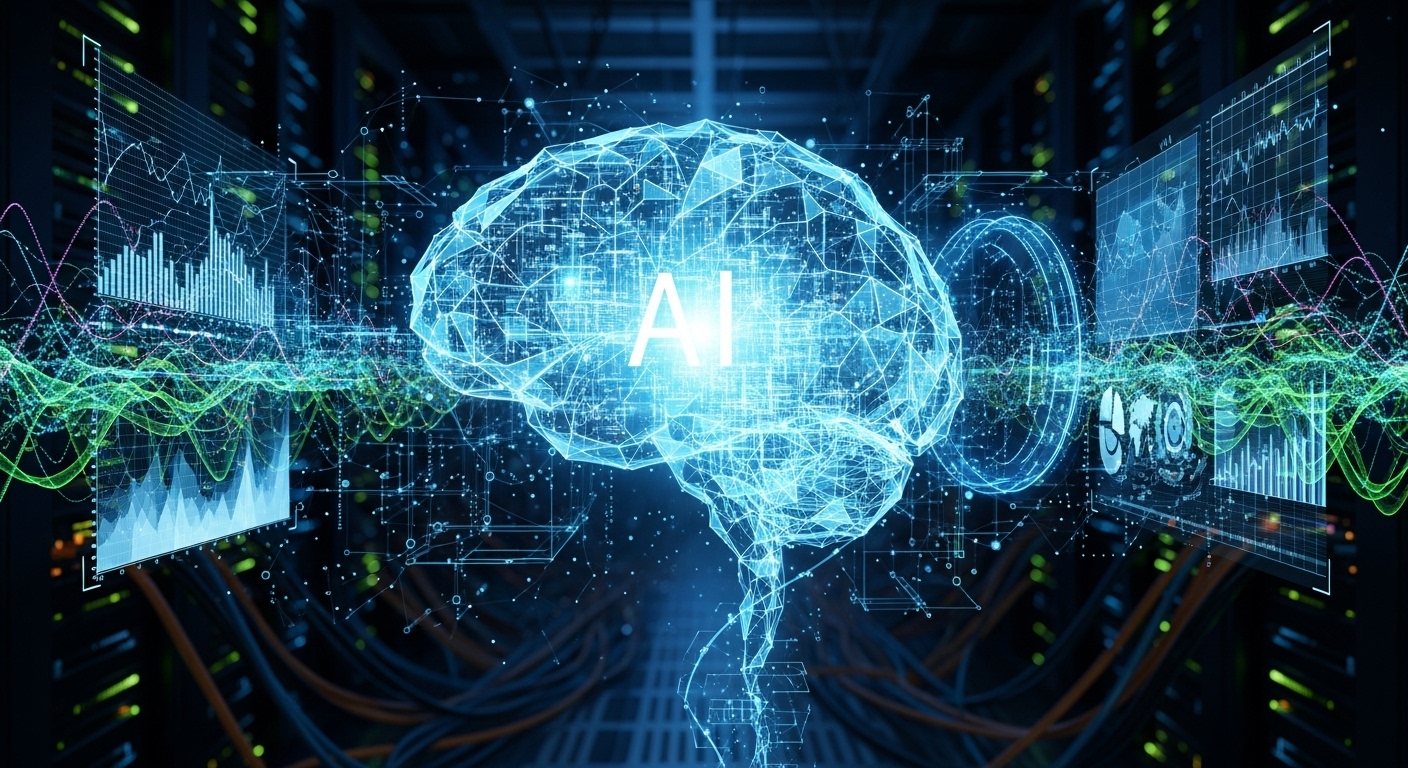
Artificial Intelligence, or AI, is the ability of machines to perform tasks that typically require human intelligence. This includes recognizing speech, understanding natural language, making decisions, and learning from data.
AI systems range from simple chatbots that answer customer inquiries to complex algorithms that assist doctors in diagnosing diseases. Machine learning, a subset of AI, allows systems to improve over time by learning from data patterns.
The influence of AI is profound. It enhances efficiency, creates new possibilities, and challenges our traditional understanding of work and creativity.
The Internet of Things: Connecting Everything
The Internet of Things, often called IoT, refers to the network of physical objects embedded with sensors and software that connect and exchange data over the internet.
Everyday devices like thermostats, refrigerators, cars, and wearable health trackers are becoming smart. They collect data to optimize performance, improve convenience, and even predict maintenance needs.
This interconnectedness leads to smarter homes, cities, and industries, enabling better resource management and personalized experiences.
Blockchain Technology: Trust Without Intermediaries
Blockchain technology offers a new way to record and verify transactions transparently and securely. Unlike traditional databases controlled by central authorities, blockchain is decentralized and tamper-proof.
Although popularized by cryptocurrencies, blockchain’s applications extend far beyond. It enables secure digital identities, transparent supply chains, and automated contracts, ensuring trust and efficiency in digital interactions.
Its potential to disrupt industries relies on its ability to foster transparency and eliminate the need for intermediaries.
Quantum Computing: The Next Leap in Processing Power
Quantum computing represents a revolutionary shift in how we process information. Traditional computers use bits represented as 0s and 1s, while quantum computers use qubits, which can exist in multiple states simultaneously.
This property allows quantum computers to solve certain complex problems much faster than classical computers. Potential applications include drug discovery, cryptography, optimization problems, and simulations of quantum systems.
Though still in early stages, quantum computing promises to unlock capabilities that were previously unimaginable.
5G and Beyond: Enhancing Connectivity
The introduction of 5G networks marks a significant improvement in wireless communication. With faster speeds, lower latency, and higher capacity, 5G enables seamless streaming, real-time gaming, and supports the growing number of connected devices.
Beyond 5G, future networks aim to be even more efficient and intelligent, supporting innovations like autonomous vehicles and smart cities with real-time data processing.
Improved connectivity is essential to realizing the full potential of other emerging technologies.
Augmented Reality and Virtual Reality: Transforming Experience
Augmented Reality (AR) overlays digital information onto the physical world, enhancing our perception and interaction. Virtual Reality (VR), on the other hand, immerses users completely in a digital environment.
These technologies are revolutionizing fields like gaming, education, healthcare, and training by offering interactive and immersive experiences.
They bridge the gap between the digital and physical realms, creating new ways to learn, entertain, and connect.
Automation and Robotics: Shaping the Future of Work
Automation and robotics integrate hardware and software to perform tasks traditionally done by humans. In manufacturing, robots assemble products with precision and speed. In logistics, automated systems manage warehouses and deliveries.
Advancements in AI allow robots to perform complex tasks, collaborate safely with humans, and adapt to changing environments.
While automation raises questions about the future of jobs, it also opens opportunities for humans to focus on creative, strategic, and interpersonal roles.
Cybersecurity: Protecting Our Digital Lives
As technology permeates every aspect of life, the importance of cybersecurity grows. Protecting data, devices, and networks from malicious attacks is critical.
Emerging threats require advanced defense mechanisms, including AI-driven threat detection, encryption, and zero-trust security models.
Awareness and education about cybersecurity best practices are essential to safeguard personal privacy and organizational assets.
Sustainable Technology: Innovating for a Healthier Planet
Technology plays a vital role in addressing environmental challenges. Innovations in renewable energy, smart grids, energy-efficient data centers, and sustainable manufacturing reduce the ecological footprint.
Digital tools help monitor climate patterns, optimize resource use, and promote conservation efforts.
Sustainability is becoming a core principle guiding future technological development.
Ethical Considerations in Technology Development
With great power comes great responsibility. The rapid pace of technological innovation necessitates careful consideration of ethical issues.
These include data privacy, algorithmic bias, digital inclusion, and the societal impact of automation.
Developers, policymakers, and users must collaborate to ensure technology serves humanity’s best interests.
Conclusion: Embracing a Technology-Driven Future
The technology shaping our future is filled with immense promise and challenges. Embracing innovation while addressing ethical, social, and environmental concerns will determine how beneficial these advances are for society.
By understanding and engaging with these technologies, individuals and organizations can harness their potential to improve quality of life, create opportunities, and build a more connected and sustainable world.