Introduction: The Era of Technological Transformation
Technology has become the defining force of the 21st century, reshaping the way we live, work, and interact. From the rise of artificial intelligence to the proliferation of smart devices, innovation is accelerating at an unprecedented pace. Technology is no longer a tool for convenience alone; it is an integral part of our daily lives, influencing healthcare, communication, education, transportation, and entertainment. As society embraces digital transformation, understanding the impact of technology is essential to navigating the future effectively.
The Evolution of Technology
The journey of technology has been a remarkable one. In the early 20th century, industrial advancements such as electricity, automobiles, and telecommunication laid the groundwork for modern innovation. The digital revolution of the late 20th century introduced personal computers, the internet, and mobile devices, transforming industries and connecting the world in ways previously unimaginable.
Today, we are witnessing the emergence of technologies that once seemed futuristic. Artificial intelligence, machine learning, robotics, virtual reality, and blockchain are no longer concepts confined to laboratories; they are actively influencing everyday life. The evolution of technology demonstrates humanity’s capacity for creativity, problem-solving, and progress.
Artificial Intelligence and Machine Learning
Artificial intelligence, or AI, is one of the most transformative technologies of our era. AI systems can analyze vast amounts of data, identify patterns, and make predictions faster than humans. Machine learning, a subset of AI, enables computers to improve their performance based on experience, driving innovation in fields such as healthcare, finance, and transportation.
In healthcare, AI algorithms assist in diagnosing diseases, predicting outbreaks, and personalizing treatments. In business, AI helps companies optimize operations, enhance customer experiences, and develop new products. Autonomous vehicles, virtual assistants, and smart home devices are all powered by AI, demonstrating its growing influence on our daily routines.
The Internet of Things (IoT)
The Internet of Things is revolutionizing connectivity by linking everyday objects to the internet, enabling seamless communication between devices. From smart refrigerators to wearable fitness trackers, IoT devices collect and transmit data to improve efficiency, convenience, and decision-making.
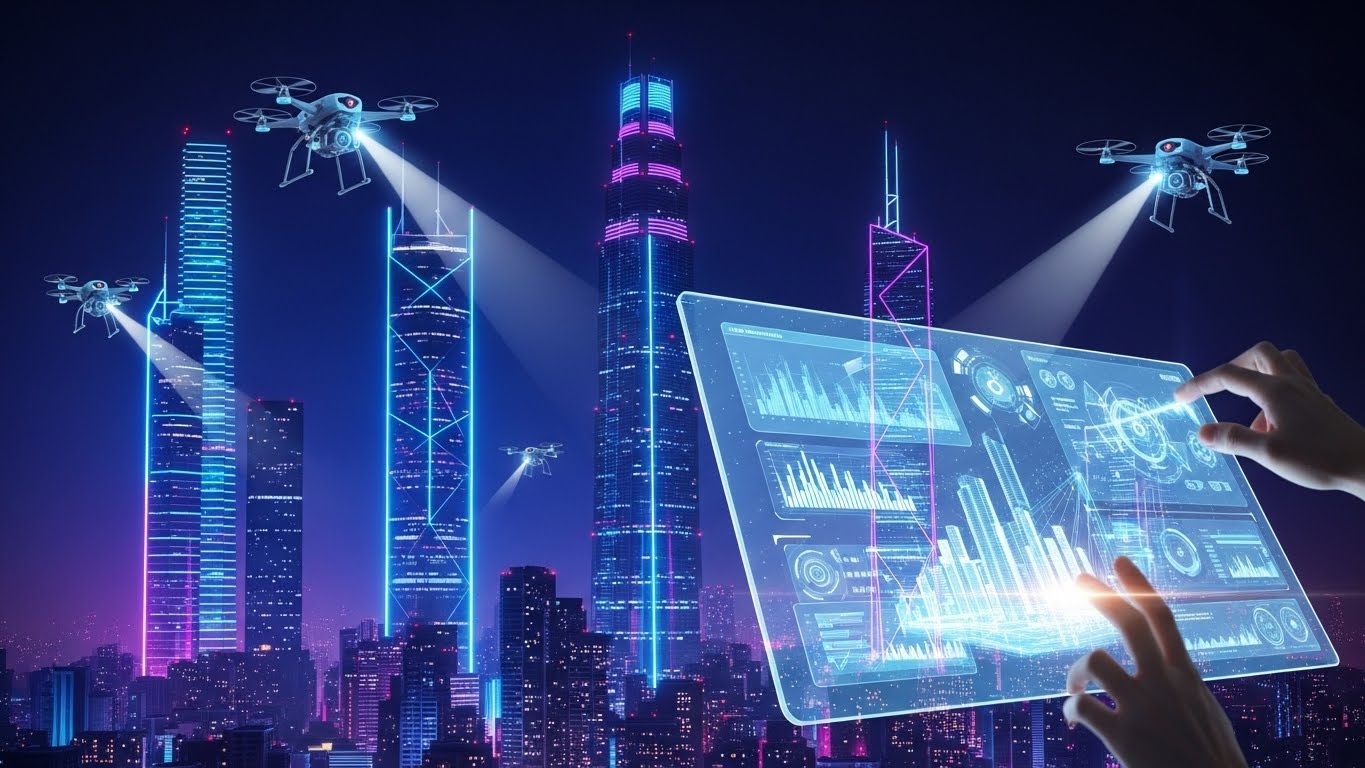
In industries, IoT optimizes supply chains, monitors equipment performance, and reduces operational costs. In cities, smart infrastructure uses IoT to manage traffic, conserve energy, and enhance public safety. By creating a network of interconnected devices, IoT is transforming homes, workplaces, and entire communities into intelligent, data-driven environments.
Blockchain and Digital Security
Blockchain technology is redefining trust and transparency in the digital age. By creating decentralized, immutable records, blockchain ensures secure transactions and reduces the risk of fraud. Originally developed for cryptocurrencies, blockchain applications now extend to supply chain management, healthcare, voting systems, and digital identity verification.
Digital security is increasingly critical as cyber threats evolve. Technologies such as encryption, multi-factor authentication, and blockchain-based security systems help protect sensitive data. As more aspects of life move online, robust cybersecurity measures are essential to safeguard privacy, prevent breaches, and maintain trust in digital platforms.
Virtual Reality and Augmented Reality
Virtual reality and augmented reality are reshaping the way we experience the world. Virtual reality immerses users in fully digital environments, enabling applications in gaming, training, therapy, and design. Augmented reality overlays digital information onto the physical world, enhancing navigation, education, and interactive experiences.
These technologies are revolutionizing industries beyond entertainment. In education, VR and AR create immersive learning environments that make complex concepts more understandable. In healthcare, surgeons use AR for precision procedures, while VR assists in pain management and therapy. The ability to blend physical and digital experiences opens new possibilities for innovation and engagement.
Cloud Computing and Data Management
Cloud computing has transformed how businesses and individuals store, access, and manage data. By providing scalable and flexible computing resources over the internet, cloud platforms eliminate the need for extensive on-site infrastructure, reduce costs, and enable collaboration from anywhere in the world.
Data management is another critical aspect of modern technology. The ability to collect, analyze, and interpret large datasets drives insights that inform decisions across industries. From predictive analytics in business to research in science and medicine, effective data management empowers organizations to act with precision and foresight.
The Impact of Technology on Society
Technology has a profound impact on society, shaping communication, culture, and lifestyles. Social media platforms connect people globally, fostering collaboration, information sharing, and social interaction. Digital communication tools have transformed workplaces, enabling remote work and global teamwork.
However, technology also presents challenges. The rise of digital media has introduced concerns about misinformation, online privacy, and mental health. Balancing the benefits of connectivity with the risks of overdependence is a critical consideration for individuals and society as a whole.
Technology and Education
Education has been profoundly transformed by technology. Online learning platforms, digital classrooms, and interactive tools provide access to quality education regardless of geographic location. Students can now learn at their own pace, explore diverse subjects, and engage with virtual simulations that enhance understanding.
Artificial intelligence also personalizes education, offering tailored recommendations, adaptive assessments, and real-time feedback. By integrating technology into learning, education becomes more engaging, inclusive, and effective, preparing students for a future driven by innovation and digital skills.
Sustainable Technology and Innovation
Sustainable technology is crucial for addressing environmental challenges. Renewable energy solutions, smart grids, energy-efficient devices, and green manufacturing practices are reshaping how we consume resources. Innovations in technology can reduce carbon footprints, conserve natural resources, and support environmental sustainability.
Electric vehicles, solar panels, and sustainable agriculture technologies demonstrate how innovation can balance economic growth with ecological responsibility. As the world faces climate change and resource scarcity, technology offers tools to build a more sustainable and resilient future.
The Future of Technology
The future of technology promises unprecedented possibilities. Advancements in artificial intelligence, quantum computing, biotechnology, and space exploration will redefine what is achievable. Smart cities, autonomous transportation, and personalized healthcare are becoming increasingly realistic.
Ethical considerations will play a critical role in shaping the trajectory of technology. Ensuring that innovation benefits society, protects privacy, and promotes equality is essential. The integration of human creativity with technological capabilities will drive progress, making the future both exciting and transformative.
Challenges and Ethical Considerations
Despite its benefits, technology presents challenges that require careful consideration. Automation and artificial intelligence may disrupt traditional jobs, creating economic and social implications. Privacy concerns, data misuse, and cybersecurity threats demand robust policies and ethical frameworks.
Ensuring equitable access to technology is another critical challenge. Bridging the digital divide is essential to prevent disparities in education, employment, and opportunity. Ethical technology development must prioritize transparency, fairness, and accountability to maximize positive impact while mitigating risks.
Conclusion: Embracing the Technological Future
Technology is no longer an optional aspect of life; it is the foundation of modern civilization. It influences how we communicate, work, learn, and interact with the world around us. From artificial intelligence and IoT to virtual reality and sustainable innovation, technology continues to shape the present and define the future.
Embracing technology responsibly means understanding its potential and limitations. It requires ethical considerations, continuous learning, and adaptability. By leveraging innovation to solve real-world problems, improve quality of life, and promote sustainability, society can harness technology’s full potential.
The journey of technology is a testament to human ingenuity, creativity, and resilience. It opens doors to possibilities once thought impossible, driving progress and shaping a future where knowledge, connectivity, and innovation intersect to create a smarter, more connected world.