
Technology is advancing at an unprecedented rate, shaping every aspect of our lives, from how we work to how we connect with one another. We are on the verge of breakthroughs that promise to revolutionize industries, enhance productivity, and fundamentally alter how we perceive the world around us. In this blog post, we will explore some of the most exciting and disruptive technological innovations, their potential impact on society, and the future they may create.
The Rise of Artificial Intelligence (AI)
One of the most transformative technologies of our time is artificial intelligence (AI). AI systems are designed to simulate human intelligence, allowing machines to perform tasks such as problem-solving, language translation, and decision-making. As AI continues to improve, its applications are expanding rapidly.
AI is already being used in industries such as healthcare, finance, and transportation. For example, in healthcare, AI algorithms are being used to assist in diagnosing diseases, analyzing medical images, and even predicting patient outcomes. In finance, AI-driven algorithms are improving risk assessment and fraud detection.
Looking ahead, AI will likely play an even more significant role in our daily lives. The future of AI may see the development of machines that are capable of emotional intelligence, allowing them to better understand and respond to human emotions. As AI becomes more integrated into various industries, it will raise important ethical questions about privacy, bias, and the role of humans in decision-making.
The Advent of 5G Technology
As the world becomes more connected, the need for faster and more reliable internet speeds is growing. Enter 5G, the fifth generation of mobile network technology. 5G promises to deliver speeds up to 100 times faster than the current 4G networks, with lower latency and greater bandwidth.
This leap in technology will have profound implications for a wide range of industries. For example, in healthcare, 5G could enable telemedicine services that provide real-time video consultations with doctors, remote surgeries using robotic systems, and faster transmission of medical data. In transportation, 5G will facilitate the development of autonomous vehicles, allowing them to communicate with each other and traffic infrastructure for safer and more efficient travel.
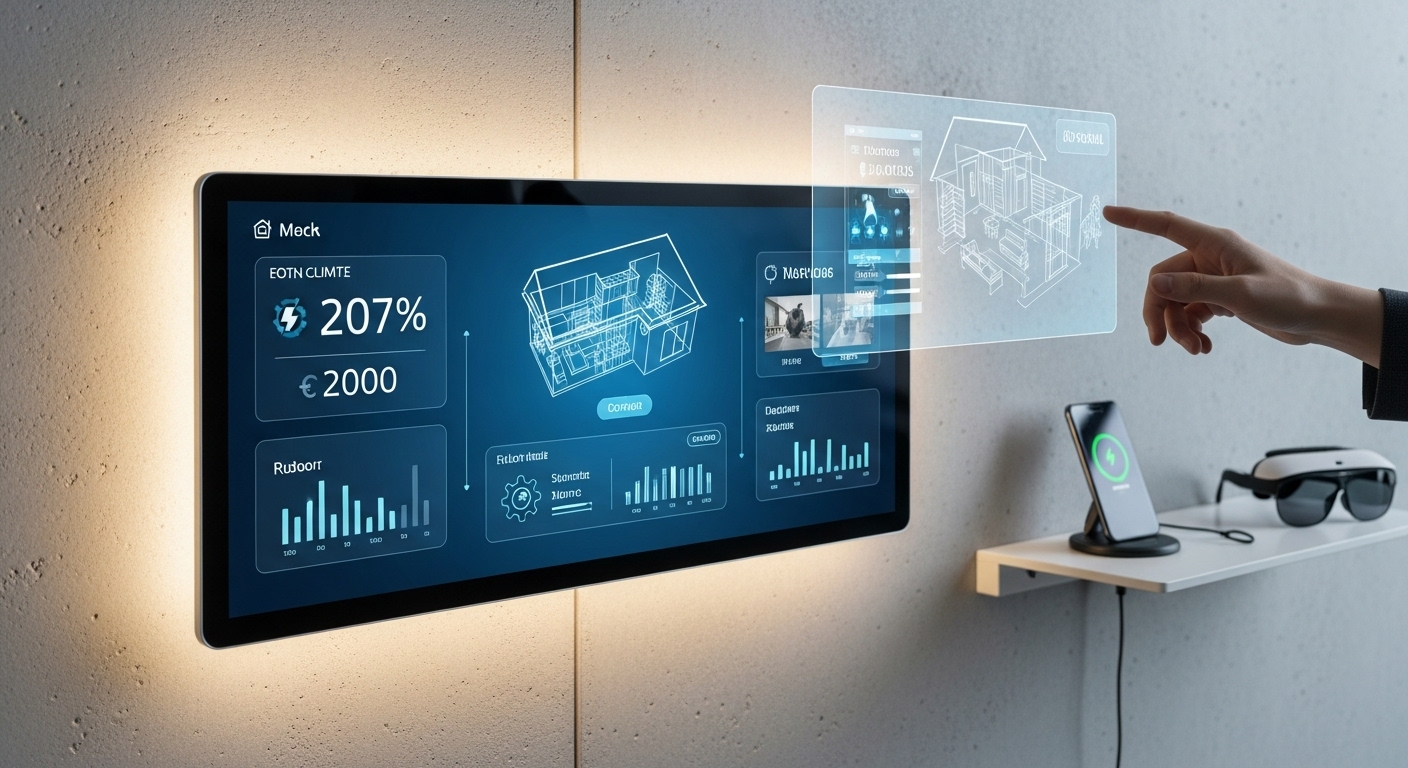
Beyond these examples, 5G will support the broader growth of the Internet of Things (IoT), where billions of devices, from smart home appliances to industrial machines, will be connected and able to communicate with each other seamlessly. With 5G, we will witness the creation of smarter cities, smarter homes, and even smarter industries, all powered by a network that can handle massive amounts of data at lightning speeds.
The Power of Quantum Computing
While traditional computers process information in binary form (ones and zeros), quantum computers operate on the principles of quantum mechanics, which allow them to process information in multiple states simultaneously. This ability could potentially solve complex problems in a fraction of the time it would take a conventional computer.
Quantum computing is still in its early stages, but the potential applications are enormous. For instance, quantum computers could revolutionize fields such as cryptography, drug discovery, and climate modeling. They could also help solve optimization problems that are currently too complex for traditional computers, such as predicting traffic patterns or optimizing supply chains.
However, quantum computing also raises significant challenges. The technology is incredibly complex and requires extremely controlled environments to function. There are also concerns about the impact quantum computers may have on cybersecurity, as they could potentially break traditional encryption methods used to protect sensitive data.
Despite these challenges, the promise of quantum computing is undeniable. As research progresses, we can expect to see breakthroughs that will push the boundaries of what is possible with computation.
The Evolution of Augmented Reality (AR) and Virtual Reality (VR)
Augmented Reality (AR) and Virtual Reality (VR) are two immersive technologies that are rapidly evolving. AR overlays digital information onto the physical world, enhancing the way we interact with our environment, while VR immerses users in entirely virtual environments.
Both AR and VR are already being used in gaming and entertainment, but their potential extends far beyond these industries. In education, for example, AR can create interactive learning experiences that bring complex concepts to life, such as virtual field trips or hands-on simulations of scientific experiments. In healthcare, VR can be used for pain management, physical therapy, and even mental health treatments, offering immersive therapies that are both engaging and effective.
As these technologies become more advanced, they will likely reshape industries such as retail, real estate, and even remote work. Imagine shopping for clothes in a virtual store, touring a house without ever leaving your couch, or attending a meeting in a fully immersive digital environment.
The combination of AR, VR, and AI could lead to the creation of entirely new experiences, such as virtual assistants that interact with users in lifelike ways or games that blend the real and virtual worlds in ways we’ve never seen before.
Blockchain: The Technology Behind Cryptocurrencies
Blockchain technology, most commonly associated with cryptocurrencies like Bitcoin and Ethereum, is a decentralized ledger system that allows transactions to be recorded and verified without the need for a central authority. This technology has the potential to disrupt a wide range of industries, from finance to supply chain management.
In the financial sector, blockchain can provide a more secure and transparent way to conduct transactions, reducing the risk of fraud and improving efficiency. Beyond cryptocurrencies, blockchain is being explored for use in areas such as voting systems, healthcare records, and even intellectual property management.
The beauty of blockchain lies in its ability to provide trust and transparency without relying on intermediaries. This has the potential to reduce costs, increase accountability, and create more efficient systems in numerous sectors. However, challenges such as scalability and regulatory concerns still need to be addressed before blockchain can reach its full potential.
Biotechnology and the Future of Medicine
In recent years, biotechnology has made significant strides, particularly in the areas of gene editing, personalized medicine, and regenerative medicine. Advances such as CRISPR, a gene-editing tool, have made it possible to target and modify specific genes, opening up new possibilities for treating genetic disorders, cancer, and other diseases.
Personalized medicine, which tailors treatments to an individual’s genetic makeup, is another exciting development in the field. With more precise and targeted therapies, patients can receive treatments that are more effective and have fewer side effects.
In addition to these advances, regenerative medicine is offering the possibility of growing new tissues and organs. Scientists are exploring ways to use stem cells and 3D printing technologies to create replacement organs, potentially solving the problem of organ shortages.
Together, these innovations are poised to reshape the future of healthcare, offering new treatments and even cures for diseases that were once thought incurable.
The Role of Sustainability in Tech Development
As technological innovation accelerates, there is an increasing focus on sustainability. Many of the world’s most pressing challenges, such as climate change and resource depletion, require solutions that are both innovative and environmentally responsible.
Tech companies are already making strides in reducing their carbon footprints and creating more sustainable products. From electric vehicles (EVs) to renewable energy solutions and sustainable manufacturing practices, the tech industry is playing a pivotal role in addressing environmental issues.
The future of tech will likely see even more emphasis on sustainability. The development of energy-efficient hardware, the use of clean energy to power data centers, and the creation of eco-friendly consumer products are just a few examples of how tech can contribute to a more sustainable future.
In the long term, technology has the potential to help us build a circular economy, where resources are reused and recycled, and waste is minimized. Innovations such as biodegradable electronics, smart grids, and carbon capture technologies could help create a world where technology works in harmony with nature.
Conclusion: A World Transformed by Technology
The future of technology is both exciting and uncertain. As innovations such as AI, 5G, quantum computing, AR/VR, blockchain, and biotechnology continue to evolve, they will fundamentally change the way we live, work, and interact with the world. While these technologies bring tremendous potential, they also present challenges that must be addressed, from ethical concerns to regulatory frameworks.
Ultimately, the key to harnessing the power of technology will be balancing innovation with responsibility. As we look to the future, it is clear that technology will play a central role in shaping a more connected, efficient, and sustainable world. The possibilities are limitless, and the journey has only just begun.