Introduction
Technology is no longer just a collection of tools we use to make life easier—it has become the foundation of modern civilization. Every innovation, from the smartphone in our pocket to the satellites orbiting Earth, has fundamentally reshaped how we communicate, work, learn, and even think. The twenty-first century is witnessing an unprecedented fusion of digital intelligence, automation, and connectivity that is redefining the very meaning of human progress. As we stand at the crossroads of innovation, understanding how technology transforms the human experience is more important than ever.
The Digital Transformation of Everyday Life
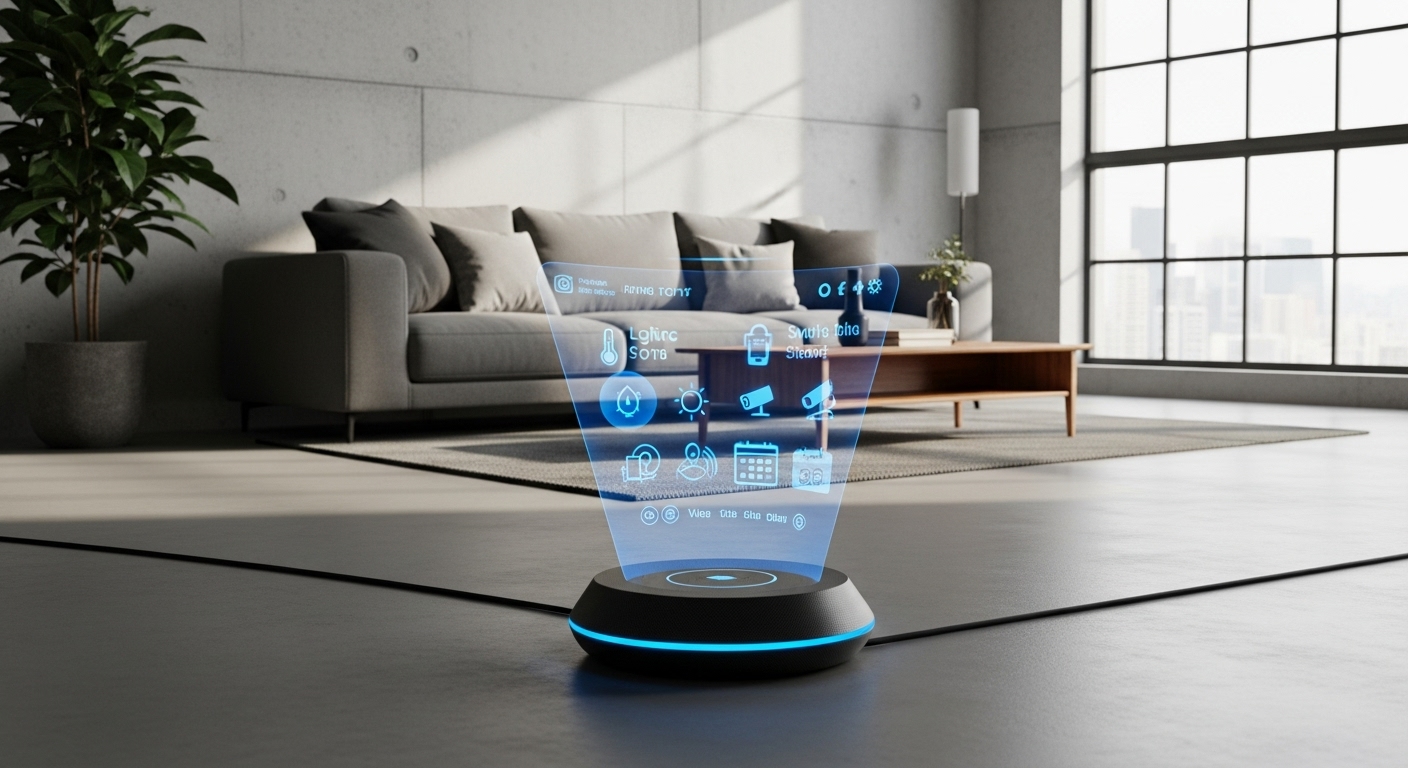
Over the past two decades, technology has quietly embedded itself into the very fabric of daily life. Digital transformation has altered how we interact, socialize, shop, and work. The rise of smartphones, smart homes, and digital assistants has created a world where information and convenience are just a voice command away.
From managing finances to ordering groceries, everything can now be done within seconds through digital platforms. Workplaces have evolved into hybrid environments powered by virtual meetings and cloud-based collaboration tools. Even entertainment has transformed with on-demand streaming and immersive gaming experiences. This constant digital presence has made life faster, but it has also brought new challenges related to mental well-being, privacy, and the need to disconnect.
The digital revolution is not only about convenience—it has changed how humans perceive time, productivity, and relationships. It has blurred the lines between the physical and virtual worlds, creating a new digital culture that influences how people communicate and express themselves.
Artificial Intelligence: The Brain of Modern Innovation
Artificial Intelligence (AI) stands as one of the most influential forces in modern technology. It has evolved from a futuristic concept into a powerful reality driving innovation across industries. AI’s ability to analyze data, recognize patterns, and make decisions has made it a vital tool in fields such as healthcare, finance, education, and logistics.
AI algorithms power search engines, recommend products we might like, and even assist doctors in diagnosing diseases. Virtual assistants such as voice-controlled devices have brought AI into our homes, making it a part of everyday routines. In business, AI improves efficiency by automating repetitive tasks, forecasting trends, and enhancing customer experiences.
However, the rise of AI also raises critical ethical questions. Issues such as data privacy, job automation, and algorithmic bias must be addressed responsibly. The challenge is not whether AI will change the world—it already has—but how society ensures it does so in a way that benefits humanity rather than replacing it.
The Internet of Things: A World Connected
The Internet of Things (IoT) has turned ordinary objects into smart, interconnected devices capable of communicating with each other. This vast network of connected sensors and systems powers everything from smart homes to industrial automation.
In homes, IoT makes life more comfortable and secure. Smart thermostats adjust temperature automatically, security cameras provide real-time monitoring, and wearable fitness trackers help people maintain healthy lifestyles. In agriculture, IoT sensors monitor soil moisture, crop health, and weather patterns to optimize farming. In cities, IoT systems manage traffic, reduce energy waste, and improve public safety.
Despite its numerous advantages, IoT also faces challenges related to security and data management. As more devices connect, the amount of data produced increases dramatically, making cybersecurity crucial. Nonetheless, IoT’s ability to create a seamless, data-driven world represents one of the most promising frontiers in modern technology.
Quantum Computing: The Next Leap in Power
Quantum computing is perhaps the most revolutionary concept in the realm of modern science. Unlike traditional computers that rely on binary bits, quantum computers use quantum bits or qubits, which can exist in multiple states at once. This property enables them to perform calculations at speeds unimaginable for classical computers.
Quantum computing has the potential to redefine industries by solving complex problems that current systems cannot handle. In medicine, it could accelerate drug discovery and simulate biological processes. In climate science, it might help model weather patterns with extreme accuracy. In cybersecurity, quantum encryption could create unbreakable data protection systems.
Although still in its early stages, quantum computing represents a glimpse into the future of limitless computational power. Once fully developed, it will likely become the backbone of innovation across scientific, industrial, and digital domains.
The Power of 5G Connectivity
The rollout of 5G networks is reshaping global communication by offering faster speeds, lower latency, and greater capacity than ever before. This new generation of wireless technology is not just an upgrade—it is a foundation for future innovations such as autonomous vehicles, telemedicine, and smart infrastructure.
5G allows real-time data exchange between devices, enabling technologies like remote surgery, smart manufacturing, and connected transportation systems. It makes virtual and augmented reality applications smoother and more interactive, paving the way for immersive learning and entertainment experiences.
The global adoption of 5G also stimulates economic growth by enhancing productivity and creating new industries. However, its full potential will only be realized when infrastructure development and regulatory frameworks catch up with technological capabilities.
Blockchain: Redefining Trust in the Digital World
Blockchain technology has often been associated with digital currencies, but its potential extends far beyond finance. At its core, blockchain is a decentralized digital ledger that records transactions securely and transparently. Its structure eliminates the need for intermediaries, making data management more efficient and tamper-proof.
In business, blockchain ensures transparency in supply chains by tracking every step of a product’s journey. In healthcare, it provides patients with secure access to their medical records. Governments can use blockchain for secure voting systems and transparent record-keeping.
The decentralized nature of blockchain promotes accountability and reduces corruption. While scalability and energy consumption remain challenges, ongoing research continues to make blockchain more efficient. As the technology matures, it promises to redefine trust and security in the digital age.
Robotics and Automation: Building the Future Workforce
Automation has been a driving force in industrial progress for decades, but modern robotics has taken it to a new level. Today’s robots are intelligent, adaptable, and capable of performing complex tasks once considered exclusive to humans.
In manufacturing, robots assemble products with precision and efficiency. In healthcare, robotic systems assist surgeons in performing delicate procedures. In logistics, automated drones and vehicles streamline delivery systems. Robots also play critical roles in hazardous environments, from mining operations to space exploration.
The integration of robotics into daily life continues to grow. Domestic robots clean homes, assist the elderly, and even provide companionship. While automation has raised concerns about job displacement, it has also created opportunities for new careers centered on robot programming, maintenance, and design. The future workforce will likely be a blend of human creativity and robotic precision.
Virtual Reality and Augmented Reality: Expanding the Senses
Virtual Reality (VR) and Augmented Reality (AR) are revolutionizing how humans experience the digital world. VR immerses users in simulated environments, while AR overlays digital information onto the real world. These technologies are no longer limited to gaming—they have found applications in education, healthcare, architecture, and business.
In education, VR enables students to explore historical events or scientific phenomena in an interactive way. In medicine, AR assists surgeons by projecting digital images onto real-world anatomy for enhanced accuracy. Architects use VR to visualize building designs before construction begins, saving time and cost.
The potential of mixed reality, a combination of VR and AR, will continue to grow as hardware becomes more accessible. These technologies are redefining how people learn, create, and experience the world around them.
Green Technology: Building a Sustainable Tomorrow
As concerns about climate change rise, technology is playing a critical role in building a sustainable future. Green technology focuses on reducing environmental impact while promoting energy efficiency and resource conservation.
Innovations in renewable energy, such as solar and wind power, are making sustainable energy more affordable and accessible. Electric vehicles are reducing carbon emissions, while advancements in battery storage are improving energy reliability. Smart grids powered by AI and IoT optimize electricity distribution, preventing energy waste.
Sustainability is also being integrated into industrial production, with eco-friendly materials and circular economy models gaining momentum. Green technology represents a shift toward responsible innovation—one that ensures technological progress aligns with the health of the planet.
Cybersecurity: The Shield of the Digital Age
With technology becoming more integrated into our lives, cybersecurity has emerged as one of the most crucial aspects of modern innovation. Every connected device and online transaction presents a potential vulnerability. Protecting personal data, business systems, and national infrastructure requires constant vigilance and innovation.
Modern cybersecurity relies on advanced encryption, AI-based threat detection, and multi-layered defense systems. The use of machine learning allows cybersecurity systems to predict and counter threats before they occur. However, as hackers become more sophisticated, the race to protect digital assets continues to intensify.
Cybersecurity is not just a technical issue—it is a social and ethical responsibility. As the digital world expands, building trust through secure systems will be fundamental to sustaining technological progress.
Conclusion
Technology has always been a reflection of human ambition—a mirror showing how far imagination can reach. The current era marks a turning point where digital intelligence, automation, and sustainability converge to create a new world. Artificial intelligence enhances decision-making, quantum computing pushes the limits of science, and green technology ensures that progress remains sustainable.
The journey ahead is filled with both opportunities and challenges. To harness the full potential of technology, humanity must focus on ethical innovation, inclusive access, and responsible use. The future is not just about smarter machines or faster connections—it is about creating a world where technology and humanity grow together.
The transformation we witness today is not the end of innovation—it is the beginning of an era where the impossible becomes possible, and imagination becomes reality.