
Introduction: The Era of Technological Transformation
We live in a world where technology no longer functions as a mere tool—it has become an integral part of everyday life. From smartphones and smart homes to artificial intelligence and quantum computing, technology is transforming how we work, learn, communicate, and entertain ourselves. The pace of innovation is unprecedented, and its effects are far-reaching, touching nearly every aspect of modern society. Understanding the scope of this transformation helps us appreciate both the opportunities and challenges that come with living in an increasingly digital world.
The Backbone of Modern Technology: Computing Power and Connectivity
At the heart of technological advancement lies computing power and connectivity. The rapid growth of processing capabilities has allowed machines to handle complex tasks faster than ever before. Simultaneously, the internet and wireless networks have created a connected global community, enabling information to be shared instantaneously. This combination has paved the way for innovations such as cloud computing, big data analytics, and real-time communication platforms, all of which are reshaping industries and redefining what is possible in both business and daily life.
Artificial Intelligence: Changing the Way We Think and Work
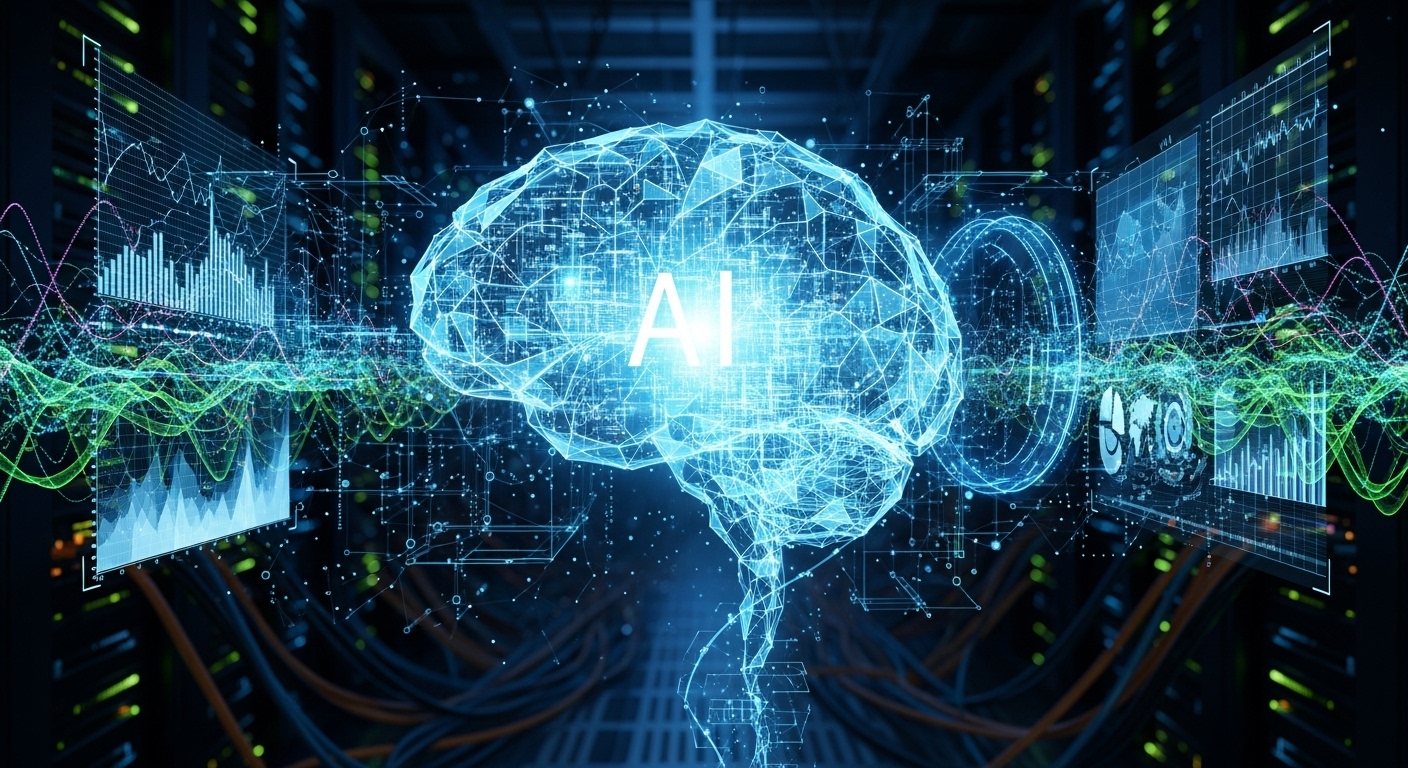
Artificial intelligence (AI) is no longer a futuristic concept; it has become an integral part of modern technology. AI systems can analyze vast amounts of data, recognize patterns, and make decisions with remarkable accuracy. From virtual assistants to predictive analytics and autonomous vehicles, AI is revolutionizing industries by automating processes, enhancing efficiency, and even enabling creativity. However, the rise of AI also brings ethical questions regarding privacy, bias, and employment, highlighting the need for careful and responsible development and implementation.
The Internet of Things: Creating Smarter Lives
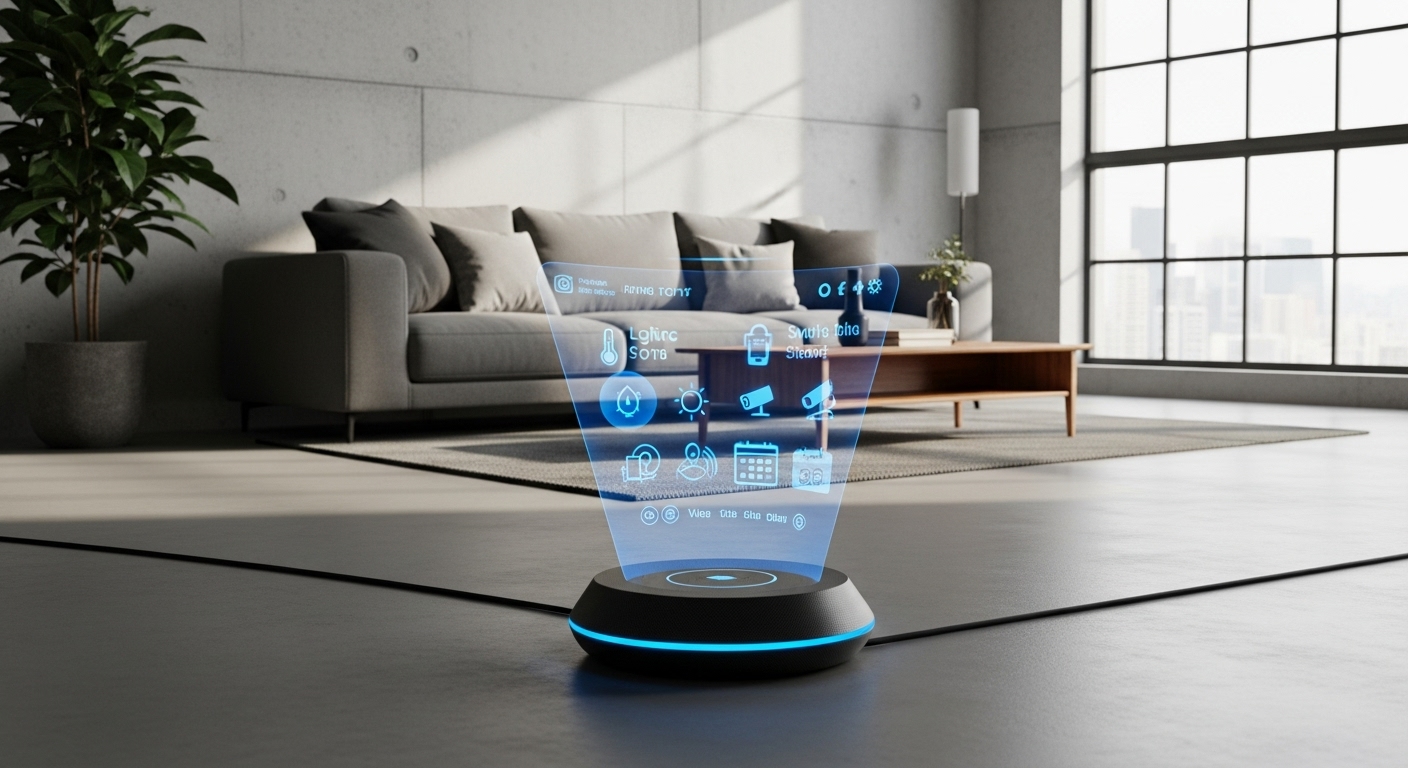
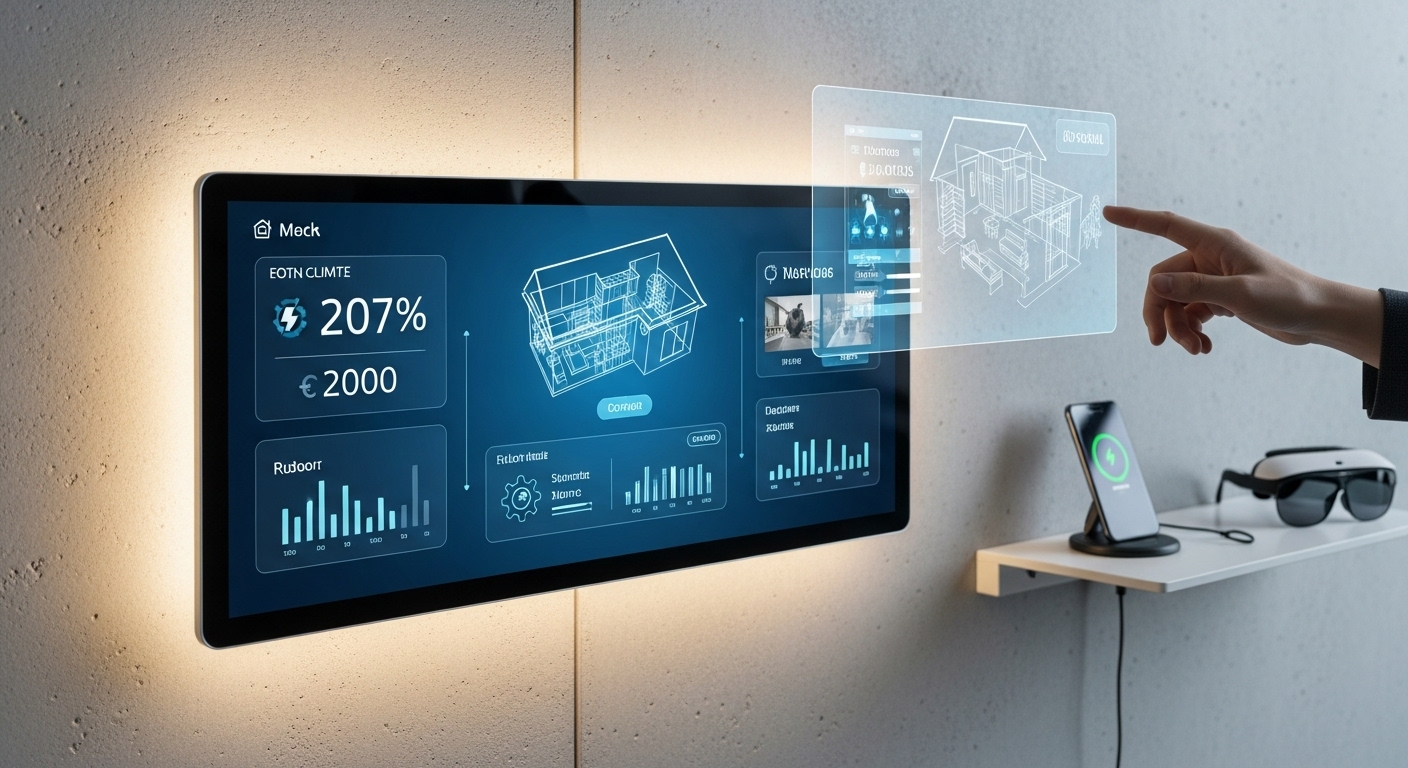
The Internet of Things, or IoT, represents the next frontier in connectivity, where everyday objects are equipped with sensors that collect and exchange data. Smart homes, wearable health monitors, and connected appliances illustrate how IoT enhances convenience and efficiency. Beyond personal use, IoT is driving innovation in cities and industries by optimizing energy consumption, monitoring infrastructure, and improving transportation systems. By bridging the physical and digital worlds, IoT is shaping smarter environments that anticipate and respond to human needs.
Blockchain and Decentralized Technologies
Blockchain technology is transforming the way trust and security are managed in the digital world. By creating decentralized, tamper-proof records, blockchain enables secure transactions without intermediaries. While often associated with cryptocurrencies, its applications extend far beyond digital money, including supply chain tracking, digital identity verification, and contract management. The adoption of blockchain is fostering transparency, accountability, and efficiency in multiple sectors, challenging traditional systems and introducing a new way of thinking about security and trust.
Healthcare Revolution: Technology at the Core of Medical Innovation
The healthcare industry has been dramatically reshaped by technology. Telemedicine has made healthcare accessible to remote populations, while AI-driven diagnostic tools and robotic surgery are improving precision and outcomes. Wearable devices allow continuous monitoring of vital signs and activity levels, empowering individuals to manage their health proactively. Technology has also accelerated medical research, enabling faster development of vaccines and treatments. As healthcare systems integrate digital solutions, they become more efficient, personalized, and capable of addressing the unique needs of patients.
Education in the Digital Age
Technology has transformed the way we learn, making education more interactive, personalized, and accessible. Online learning platforms, virtual classrooms, and interactive software allow students to learn at their own pace while offering teachers tools to track progress and adapt content. Emerging technologies such as virtual and augmented reality provide immersive experiences that deepen understanding of complex subjects. By breaking the barriers of time and geography, digital education creates opportunities for lifelong learning and global collaboration.
The Future of Work: Automation and Collaboration
The workplace is evolving rapidly due to automation, AI, and advanced collaboration tools. Tasks that were once repetitive and time-consuming are increasingly automated, allowing human workers to focus on creativity, problem-solving, and decision-making. Cloud-based collaboration platforms enable teams to work seamlessly across geographies, while AI-driven analytics provide insights for smarter business strategies. However, this transformation also requires continuous reskilling and adaptability, as workers must embrace new tools and ways of working to remain relevant in a dynamic digital economy.
Entertainment and Media: Immersive Experiences
Technology has revolutionized entertainment, creating immersive experiences that go beyond passive consumption. Streaming platforms, virtual reality, and augmented reality allow audiences to interact with content in novel ways. Gaming has become a major industry where players engage in complex narratives, collaborate with others, and even create their own worlds. Interactive media is also being applied in education, therapy, and training, proving that entertainment technologies have far-reaching applications that extend beyond leisure.
Ethics, Privacy, and Security in a Digital World
As technology becomes more pervasive, ethical considerations grow increasingly important. Data privacy, cybersecurity, and the responsible use of AI are pressing concerns in an interconnected world. Individuals and organizations must navigate complex landscapes where sensitive information is at risk, requiring robust safeguards and ethical frameworks. Balancing innovation with privacy and security is essential to ensure that technology serves society responsibly and sustainably, fostering trust while driving progress.
Sustainability and Green Technology
Technology is not only transforming society but also providing tools to address environmental challenges. Renewable energy solutions, smart grids, and energy-efficient devices reduce carbon footprints and mitigate climate change. AI and data analytics help optimize resource use, monitor environmental conditions, and enhance conservation efforts. By integrating technological innovation with sustainable practices, society can work toward a future that balances progress with environmental stewardship, ensuring that growth does not come at the expense of the planet.
The Road Ahead: Embracing a Technological Future
Technology is more than innovation—it is a transformative force that touches every aspect of human life. From healthcare and education to work, entertainment, and sustainability, technological advancements are reshaping society in profound ways. While challenges such as ethics, security, and workforce adaptation exist, the potential benefits are enormous. By embracing innovation responsibly, society can harness the power of technology to improve quality of life, enhance productivity, and create a more connected, intelligent, and sustainable world. The future belongs to those who can navigate, understand, and leverage the digital landscape, making technology an ally in shaping a better tomorrow.