
Technology is evolving rapidly, and one of the most exciting developments in recent years has been the rise of smart devices. These are everyday objects that have been enhanced with the power of Artificial Intelligence (AI) and the Internet of Things (IoT), making them not just connected but incredibly intuitive and responsive to our needs. Whether it’s a smart thermostat adjusting your home’s temperature, a wearable device tracking your health, or even smart cities transforming urban living, the intersection of AI and IoT is reshaping the way we interact with the world around us. In this blog post, we’ll explore how these technologies are transforming the smart device landscape and what the future holds for connected living.
Understanding the Basics of IoT and AI
Before diving into how smart devices are changing our lives, let’s take a closer look at the two key technologies that are driving this revolution: IoT and AI.
Internet of Things (IoT) refers to the network of interconnected devices that communicate with each other via the internet. These devices collect and exchange data, allowing them to function intelligently. IoT devices can range from simple sensors that track environmental data to complex systems like autonomous vehicles that integrate a range of inputs.
On the other hand, Artificial Intelligence (AI) refers to the ability of machines to simulate human intelligence. It involves learning from data, recognizing patterns, making decisions, and even improving over time. When combined with IoT, AI gives devices the capability to not only collect data but also analyze it, make decisions, and take actions without direct human intervention.
How Smart Devices Improve Daily Life
From the moment we wake up to when we go to bed, smart devices are silently enhancing our lives in ways we may not even fully appreciate. Here’s how these devices are improving our everyday experiences:
1. Smart Homes: The Heart of Connected Living
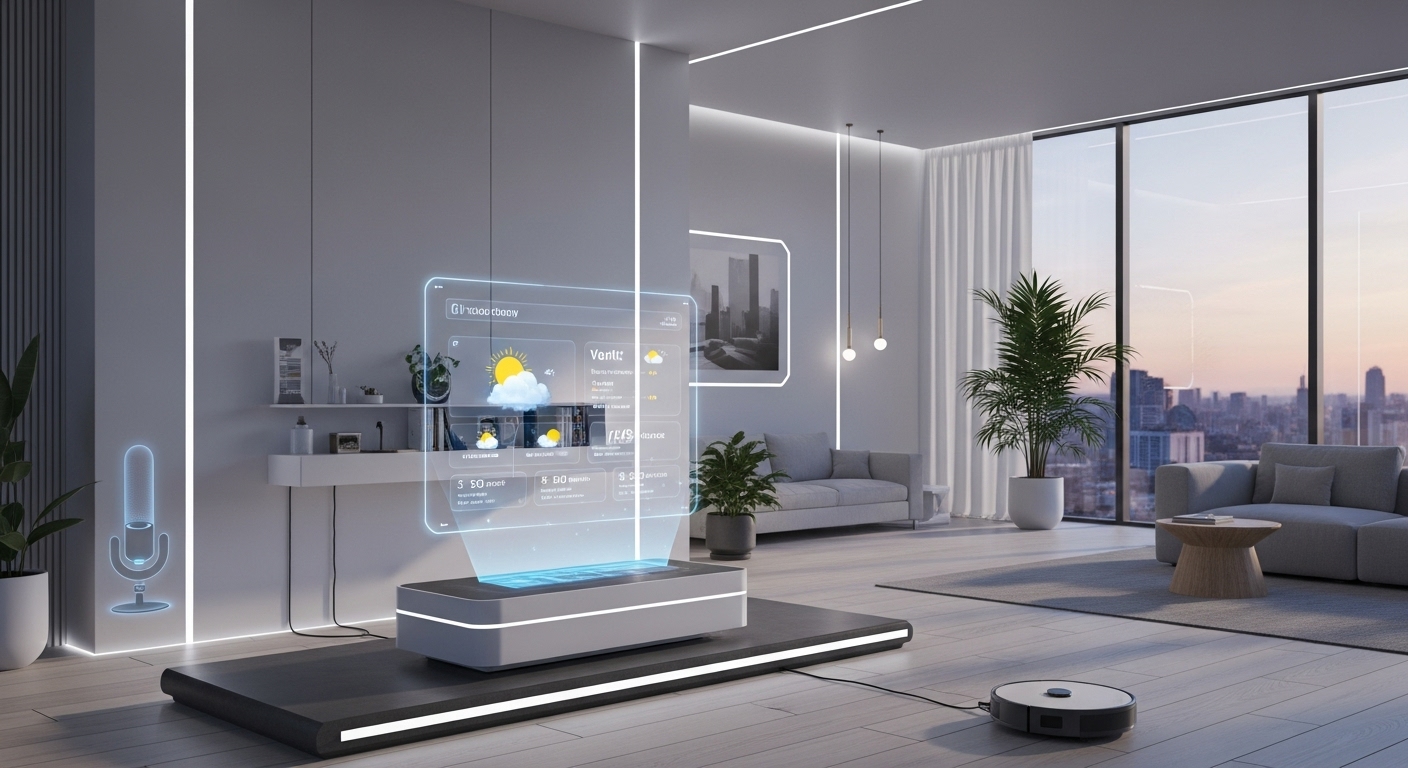
One of the most common applications of smart devices is in the home. Smart homes are no longer a futuristic concept—they’re becoming a reality for millions of people worldwide. Devices like smart thermostats (e.g., Nest), smart speakers (like Amazon Echo or Google Home), and smart lighting systems are revolutionizing how we interact with our living spaces.
Smart thermostats, for example, learn your temperature preferences over time and adjust the climate in your home accordingly, ensuring comfort while also optimizing energy usage. Smart lights can be controlled with voice commands or set to adjust automatically based on the time of day or your activities. These devices don’t just add convenience; they can save energy, reduce utility costs, and even enhance security by allowing remote control of your home’s systems.
2. Wearables: The Future of Health and Fitness
Wearable technology is another area where AI and IoT are making a significant impact. Devices like smartwatches, fitness trackers, and health monitoring gadgets are now able to track everything from steps taken to heart rate, sleep patterns, and even blood oxygen levels. These devices continuously collect data and use AI to offer insights into your health and lifestyle.
For example, a smart fitness tracker might analyze your workout routines and suggest adjustments based on your goals or performance. Similarly, some wearable devices can even detect early signs of health issues—such as irregular heartbeats—and alert the user or healthcare providers for proactive intervention.
3. Smart Cities: Transforming Urban Living
The concept of smart cities is gaining traction, where IoT devices are integrated into urban infrastructure to make cities more efficient, sustainable, and livable. For instance, smart traffic lights can adjust based on real-time traffic conditions, reducing congestion and fuel consumption. IoT-enabled waste management systems can optimize garbage collection routes, ensuring a cleaner and more sustainable environment.
Additionally, AI-powered systems in smart cities can analyze data from various sensors to monitor air quality, water usage, and energy consumption, enabling local governments to make data-driven decisions that benefit the environment and citizens.
The Synergy of AI and IoT in Smart Devices
The combination of AI and IoT is what makes modern smart devices so powerful. While IoT enables connectivity and data collection, AI brings the intelligence that allows these devices to make decisions and adapt to our needs. Here are some examples of how this synergy is playing out in real-world applications:
1. Predictive Maintenance in Industry
In industrial settings, IoT sensors can monitor machinery and equipment in real time. AI algorithms can then analyze the data to predict when a piece of equipment might fail or need maintenance. This ability to predict failures before they happen is known as predictive maintenance, and it helps companies reduce downtime and costly repairs.
For example, an AI-powered IoT system can detect vibration patterns in a motor and predict when it’s likely to break down. Maintenance teams can then address the issue proactively, avoiding the need for emergency repairs and keeping operations running smoothly.
2. Autonomous Vehicles: A Glimpse into the Future of Transportation
Another exciting application of AI and IoT is in the development of autonomous vehicles. These self-driving cars are equipped with a variety of IoT sensors—such as cameras, radar, and LiDAR—that continuously gather data about the vehicle’s surroundings. AI then processes this data to make real-time decisions, allowing the car to navigate, avoid obstacles, and obey traffic laws without human input.
Autonomous vehicles have the potential to reduce traffic accidents, improve road safety, and make transportation more efficient. By integrating IoT sensors with AI-driven systems, these cars can adapt to changing road conditions and traffic patterns, making them highly dynamic and responsive.
The Future of Smart Devices: What’s Next?
As we look ahead, the future of smart devices is incredibly promising. Here are a few trends that are likely to shape the next generation of smart technology:
1. Increased Integration and Interoperability
In the near future, we can expect even more seamless integration of smart devices across various platforms. As the IoT ecosystem expands, devices from different manufacturers will need to work together smoothly. This means greater interoperability, allowing users to control and monitor all their devices through a single interface, whether it’s a smartphone, voice assistant, or another control system.
2. Enhanced AI Capabilities
As AI continues to evolve, the capabilities of smart devices will expand. Future devices will likely become even more intuitive, with predictive AI that can anticipate our needs before we even voice them. For instance, a smart home system could not only adjust the temperature based on your preferences but could also anticipate changes based on external factors like the weather or your schedule.
3. Privacy and Security Considerations
With the increased use of smart devices comes the growing concern about privacy and security. The more connected our devices are, the more vulnerable they become to cyber threats. In the future, ensuring robust cybersecurity measures will be critical to protect users’ personal data and prevent unauthorized access to devices. We can expect more advanced encryption and data protection techniques to safeguard our privacy.
Conclusion: A Smarter, More Connected World
The future of smart devices powered by AI and IoT is an exciting one. From improving our homes and health to transforming cities and industries, these technologies are making our world more intelligent, efficient, and connected. However, as these devices become increasingly embedded in our daily lives, we must also be mindful of the ethical and security challenges that accompany this new era of technology.
As AI and IoT continue to evolve, we can expect even more groundbreaking innovations that will further enhance our quality of life, solve complex problems, and open up new possibilities for the future. The era of smart living has only just begun, and the potential for what’s to come is limitless.